Waveguide Materials
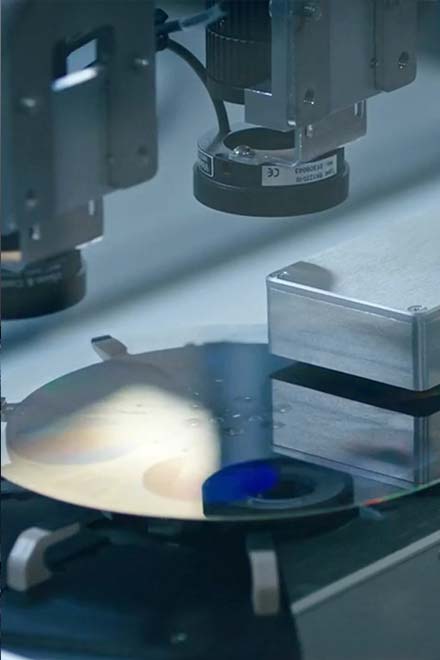
We use innovative materials and techniques to build waveguides that deliver lighter and more wearable AR glasses.
Innovative Materials
Pushing Waveguides Forward
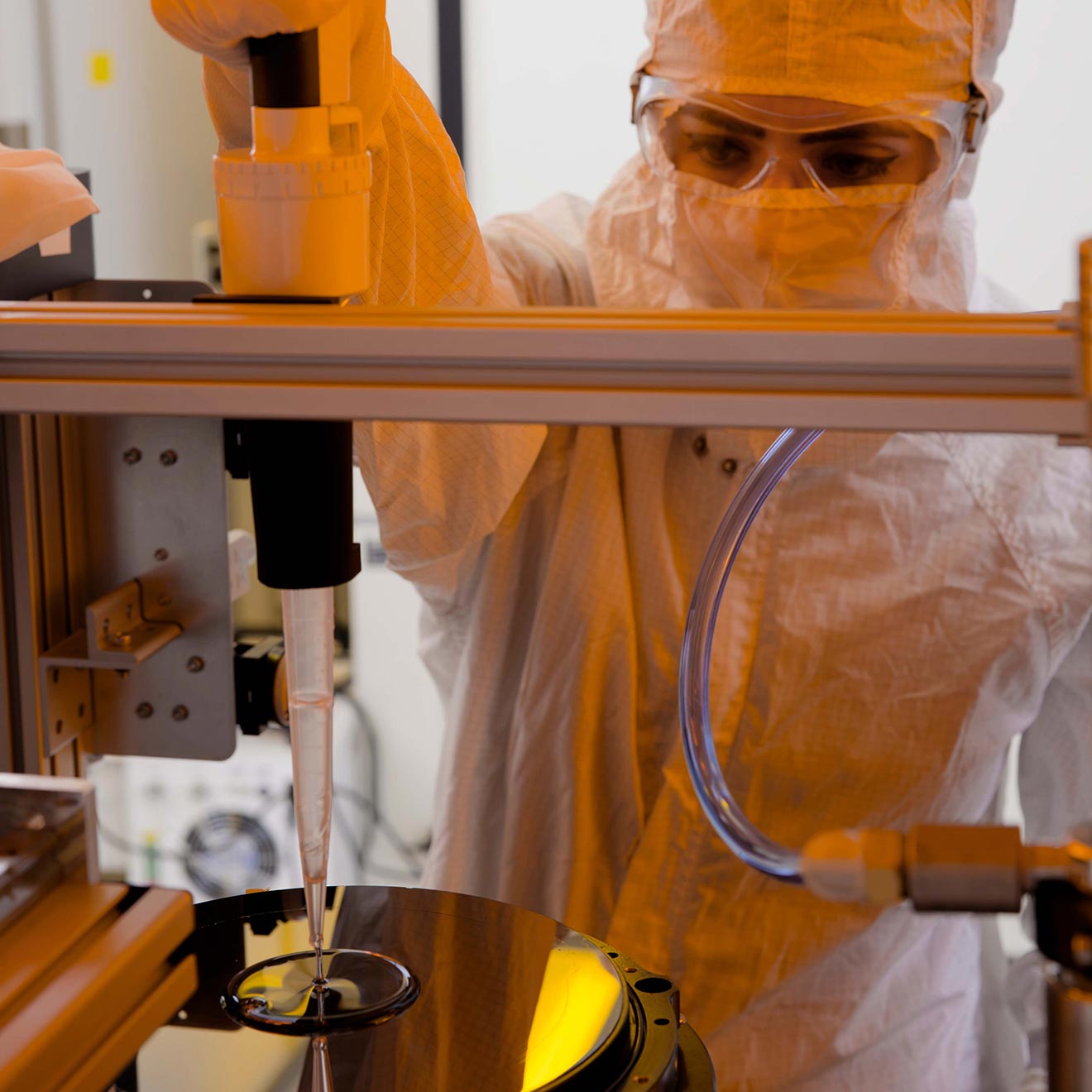
Drawing on years of research, development, and data, we are using familiar and emerging materials in ways others have not yet explored.
Our inventive methods and experimentation have advanced waveguide designs, leading the way in sharper, clearer, and more human-centric AR experiences.
We choose materials like high index glass, silicon carbide, and polymers that offer a wide array of benefits, helping us to design higher-performance waveguides and displays across a range of fields of view.

Holistic Design
Understanding AR-Specific Components

AR glasses require specialized components not found in traditional eyewear. This includes hinges that can bend despite having electrical circuitry and nosepieces that are compatible with the eye-tracking architecture.
Our materials knowledge extends beyond waveguides, helping to inform and guide manufacturers on holistic designs for AR’s unique form factors.

Manufacturability
Production-Ready Materials
In addition to selecting materials that aid in visual clarity, weight, and wearability, we choose many materials based on their manufacturability, how efficiently they can be produced at scale, as well as their overall cost.